
HIPAA Compliant Hosting in 2026: Secure Infrastructure for Healthcare Applications and Patient Data
Did you know that 82% of healthcare data breaches involve third‑party risk management failures or cloud misconfigurations? In 2026, choosing the right HIPAA compliant hosting environment is not just a technical decision. It directly determines whether patient data stays protected or becomes the next breach headline.
Key Takeaways
| Question | Answer |
|---|---|
| What is HIPAA compliant hosting? | It is hosting infrastructure designed to protect electronic protected health information (ePHI) using encryption, access controls, logging, and secure cloud architecture. Platforms like DevPanel’s compliance capabilities help teams maintain regulatory alignment. |
| Who needs HIPAA compliant hosting? | Healthcare providers, telehealth companies, SaaS health platforms, and agencies building medical websites all require compliant infrastructure. |
| Can developers maintain control over infrastructure? | Yes. Platforms such as DevPanel’s platform architecture allow teams to run compliant infrastructure inside their own cloud accounts. |
| What are the core security features required? | Encryption, audit trails, strict access management, secure backups, and disaster recovery. |
| Is HIPAA compliant hosting expensive? | Costs vary. For example, DevPanel Community Edition is Free, while compliance engineering services start around $250/hour. |
| How do healthcare organizations deploy compliant apps faster? | Automation platforms such as cloud development environments reduce manual infrastructure tasks and standardize deployments. |
What Is HIPAA Compliant Hosting?
HIPAA compliant hosting refers to infrastructure designed to protect electronic protected health information (ePHI). It ensures healthcare systems follow strict rules around storage, access, and data transmission.
In 2026, hosting providers must combine cloud security, automation, and regulatory controls. Without these layers, healthcare organizations risk violations and costly breaches.
We typically see compliant environments include encryption, monitoring, audit logging, and strict identity controls. The goal is simple, keep patient data secure while maintaining operational reliability.
Modern platforms also focus on automation. This reduces human error and standardizes security policies across environments.
Why Healthcare Organizations Need HIPAA Hosting
Healthcare platforms process extremely sensitive data including medical records, insurance details, and patient histories. Standard hosting environments do not provide the safeguards required by federal regulations.
Hospitals, telemedicine platforms, and healthcare startups all handle ePHI. Hosting must ensure the confidentiality, integrity, and availability of that information.
In practice, this means organizations must deploy secure infrastructure, maintain audit trails, and monitor access activity continuously.
Many healthcare organizations now run their infrastructure inside controlled cloud environments using solutions like DevPanel healthcare infrastructure solutions.
Core Security Requirements for HIPAA Compliant Hosting
HIPAA hosting environments must follow strict technical safeguards. These controls protect healthcare data from unauthorized access or loss.
The most effective hosting platforms automate these protections. Automation reduces operational mistakes and keeps environments consistent.
- Encryption for data at rest and in transit
- Role-based access control to limit who can view patient data
- Comprehensive audit logs for compliance reporting
- Secure backups with tested disaster recovery workflows
- Infrastructure monitoring with alerting systems
These safeguards work together to create a compliant and resilient infrastructure.
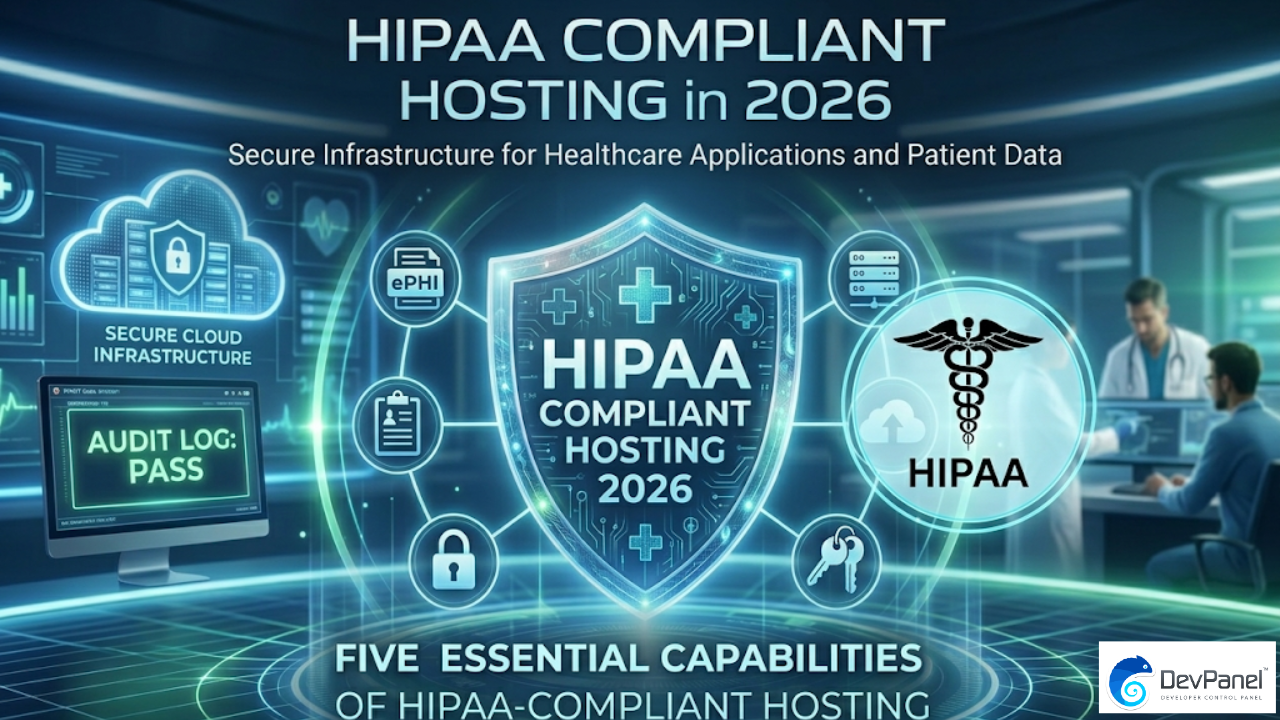
This infographic highlights the five essential capabilities of HIPAA-compliant hosting. It helps readers quickly see how secure, compliant hosting supports patient data protection.
Audit Trails and Monitoring for Healthcare Systems
HIPAA requires organizations to track every interaction with sensitive data. Hosting infrastructure must record access attempts, system changes, and administrative actions.
Audit trails allow teams to investigate incidents quickly. They also provide the evidence required during regulatory audits.
Modern platforms include automated logging systems that track activity across development, staging, and production environments.
These logs become critical when responding to compliance reviews or security incidents.
Did You Know?
The average cost of a healthcare data breach in 2025 reached $7.42 million per incident.
Data Security and Encryption Standards
Encryption protects healthcare data both during transmission and while stored in databases. It prevents attackers from reading patient information even if systems are compromised.
HIPAA compliant hosts must implement encryption across storage systems, APIs, and backups. Keys must also be securely managed.
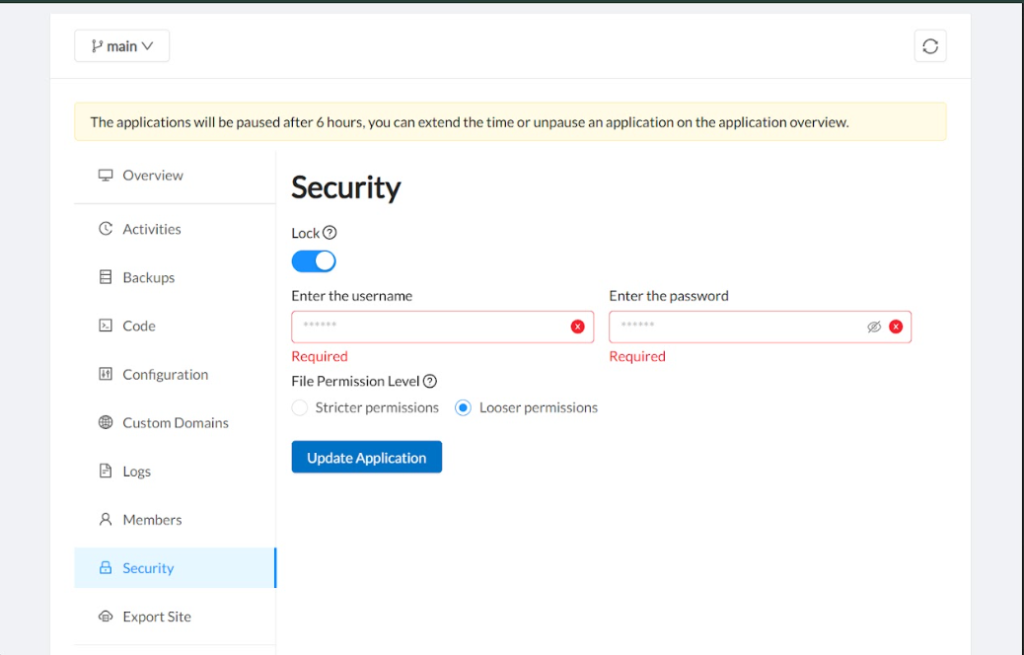
Secret management systems are commonly used to store credentials and tokens. This prevents developers from exposing sensitive keys in code repositories.
These practices create a strong security baseline for healthcare applications.
High Availability and Disaster Recovery Requirements
Healthcare applications cannot afford downtime. Patients rely on these systems for appointments, telemedicine, and medical records.
HIPAA compliant hosting must therefore include redundancy, automated backups, and tested disaster recovery procedures.
Infrastructure automation allows teams to quickly rebuild environments if failures occur. This ensures healthcare services remain available.
Many organizations also use multi‑region cloud deployments to protect against outages.
Development Workflows for HIPAA Compliant Applications
Developers building healthcare applications must follow secure deployment practices. This includes isolated environments for development, testing, and production.
Automation pipelines reduce configuration mistakes. They also ensure consistent security policies across environments.
Modern DevOps platforms provide built‑in CI/CD pipelines, Git integrations, and automated deployment workflows.
This allows engineering teams to ship updates quickly while maintaining strict security standards.
Costs and Pricing Models for HIPAA Hosting
HIPAA compliant hosting can vary widely in cost depending on architecture and operational requirements. Some providers charge high premiums for managed compliance environments.
However, modern platforms allow teams to run compliant infrastructure directly in their own cloud accounts. This approach often reduces long term costs.
For example:
| Service | Example Pricing |
|---|---|
| DevPanel Community Edition | Free |
| Professional DevPanel services | $85/hour starting rate |
| Compliance consulting | $250/hour starting rate |
This flexible model allows teams to start small and scale as their compliance requirements grow.
Did You Know?
HIPAA penalties for non-compliance can now reach up to $2.19 million annually per identical provision as of 2026.
Real Example: HIPAA Compliant Azure Migration
Healthcare organizations increasingly migrate legacy systems into modern cloud environments. These migrations must follow strict compliance frameworks.
A real example is documented in theKaplan Early Learning Azure migration case study. Their infrastructure was rebuilt using automated deployment tools.
Infrastructure‑as‑code technologies like Terraform and Helm accelerated deployment. The organization moved into a HIPAA‑aligned cloud architecture in just weeks.
This demonstrates how automation can dramatically reduce the complexity of compliant infrastructure.
How to Choose the Right HIPAA Hosting Provider
Selecting the right hosting provider requires evaluating security architecture, operational transparency, and compliance readiness.
The best providers combine automation with full infrastructure visibility. Teams maintain control while eliminating repetitive operational work.
Key criteria to evaluate include:
- Support for healthcare compliance frameworks
- Transparent audit logs and monitoring
- Infrastructure automation and CI/CD
- Disaster recovery capabilities
- Ability to run inside your own cloud account
These factors determine whether a hosting environment can reliably support healthcare applications.
Conclusion
HIPAA compliant hosting in 2026 requires far more than secure servers. Organizations must deploy infrastructure that integrates automation, monitoring, encryption, and strict access controls.
Healthcare teams also need flexibility. Running compliant infrastructure inside their own cloud accounts allows them to maintain control while meeting regulatory requirements.
When implemented correctly, compliant hosting reduces operational risk, protects patient data, and enables healthcare organizations to deliver reliable digital services.
The right infrastructure removes complexity and allows teams to focus on building healthcare solutions instead of managing compliance manually.