
The Ultimate Guide to Azure Hosting Grants and Drupal Infrastructure for Startups
For startups building their digital presence, infrastructure costs can quickly become a significant burden. However, Microsoft Azure offers multiple pathways to secure substantial cloud hosting credits, ranging from $1,000 to over $350,000. These grants can dramatically reduce infrastructure costs during critical early growth phases. For startups hosting Drupal applications, these credits become even more valuable when combined with the right infrastructure strategy.
This comprehensive guide explores the funding channels available to startups, examines the technical considerations of hosting Drupal on Azure, and provides decision-oriented guidance for startups, especially those without internal DevOps teams.

Microsoft Azure provides significant resources for startups to scale their infrastructure.
Unlocking Azure Hosting Grants and Credits
Microsoft has restructured its startup support programs to serve different stages of a company’s lifecycle. Understanding these pathways is crucial for maximizing your cloud infrastructure budget.
The Foundation Program: Microsoft for Startups
The basic Azure Startup Credit Offer provides an accessible entry point for eligible startups. It begins with an automatic $1,000 credit available to any new Azure customer with a personal Microsoft account, valid for 90 days. By completing a business verification process within those 90 days, startups can unlock up to $5,000 in additional credits, which carry a 180-day validity period.
However, there are critical exclusions. These basic credits cannot be used for Azure support plans, third-party branded products from the Azure Marketplace, or products sold separately from core Azure services. Notably, GPU virtual machines are typically unavailable under free or benefit subscriptions, which is a significant limitation for AI and machine learning startups.
Investor-Backed Startup Programs
For funded startups, the Microsoft for Startups Investor Network represents the premium pathway. Startups affiliated with participating venture capital firms, accelerators, or investors in Microsoft’s partner network can access substantially larger credit allocations, starting at $100,000 to $150,000.
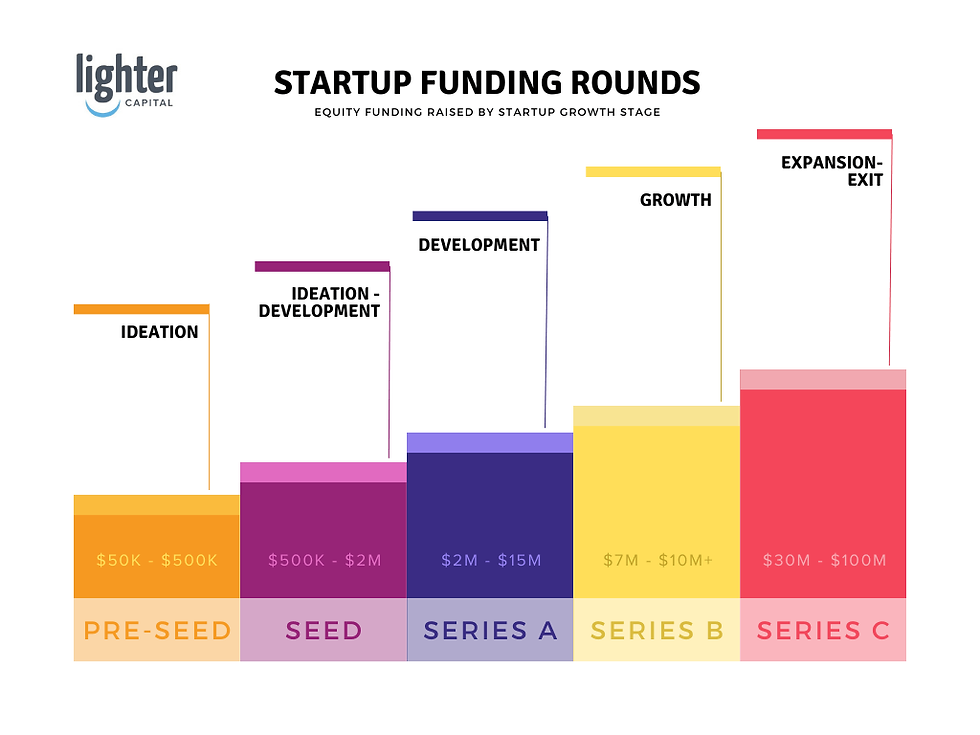
Funding stages often dictate the level of cloud credits a startup can access.
Startups enter this program through investor referral codes. The credits typically carry one-year validity periods and come with enhanced benefits, including access to advanced AI services, expert technical guidance, and go-to-market support.
Accelerator and VC Partnership Programs
Microsoft has established direct partnerships with prominent startup accelerators, creating specialized credit programs. The Y Combinator partnership is a prime example, offering $350,000 in Azure credits plus three years of Office 365 subscriptions. Similar partnerships exist with AI Grant Fund, Alchemist Accelerator, and others, providing access to specialized high-performance Azure AI infrastructure, including dedicated GPU clusters.
Hosting Drupal on Azure: Technical Architectures
Once you have secured Azure credits, the next challenge is deploying and managing your Drupal application. There are several approaches, each with its own trade-offs regarding control, cost, and operational burden.
Drupal is a powerful CMS, but hosting it efficiently requires the right infrastructure strategy.
Manual Azure Infrastructure Setup
Deploying Drupal manually on Azure provides maximum control but demands substantial DevOps expertise. Core components typically include Azure Virtual Machines or Azure App Service for compute, Azure Database for MySQL Flexible Server, Azure Blob Storage or Azure Files, and Azure Front Door or Application Gateway for load balancing.
While Azure Virtual Machines offer complete control over the LAMP/LEMP stack, Azure App Service provides a more managed alternative. However, App Service can introduce challenges for I/O-intensive CMS applications like Drupal, requiring specific configurations like local Docker volumes to improve performance.
The DevOps burden for manual deployments is significant, encompassing environment provisioning, security hardening, CI/CD pipeline configuration, scaling strategy implementation, and ongoing maintenance. This approach typically requires full-time DevOps staff, which can cost $100,000 to $150,000 annually.
DevPanel: Automated Drupal Hosting on Azure
DevPanel offers a fundamentally different approach: an automation and orchestration platform that provisions and manages Drupal infrastructure inside a startup’s own Azure account. This eliminates most DevOps complexity while preserving full infrastructure ownership and control.
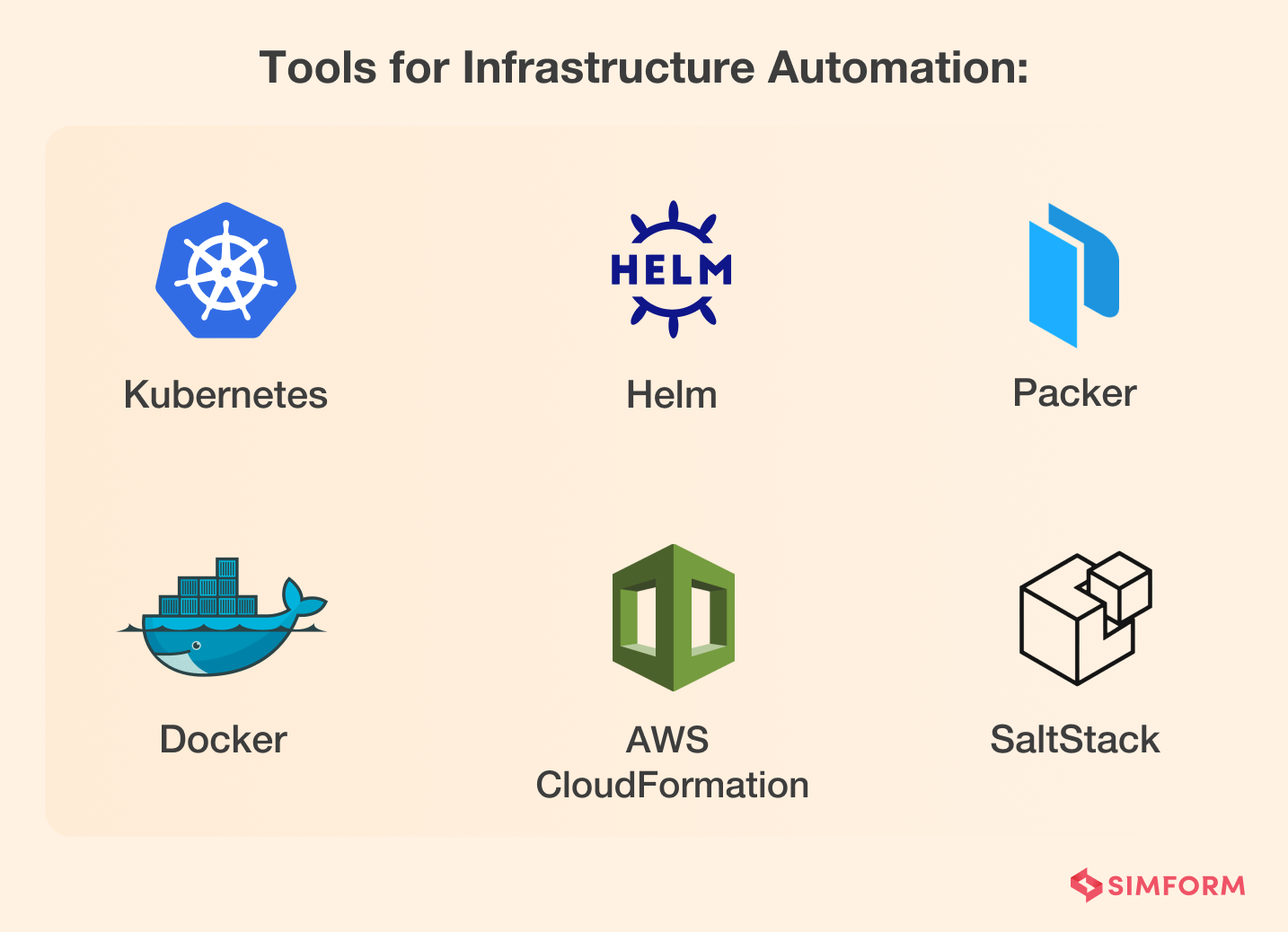
Automation platforms like DevPanel streamline the deployment and management of cloud infrastructure.
DevPanel functions as a control panel sitting atop Azure infrastructure. It provisions Kubernetes-based infrastructure that automatically scales based on load. Key features include:
- Automated Environments: True dev/stage/prod environments are created automatically, supporting modern development workflows.
- Cloud Development Environments: Browser-based VS Code instances eliminate “works on my machine” issues.
- Preview Environments: Automatic environments for feature branches accelerate code review.
- Auto-scaling: The underlying Kubernetes cluster and individual applications scale automatically.
- Security and Compliance: Deployments align with AWS and Azure best practices, supporting frameworks like HIPAA and SOC2.
DevPanel operates on a freemium basis. The platform itself is free to use when running inside a startup’s cloud account; startups only pay their underlying Azure infrastructure costs (which can be covered by startup credits).
Managed Drupal Hosting Platforms
Managed platforms like Acquia Cloud, Pantheon, Platform.sh, and Amazee.io provide fully managed environments. These platforms eliminate the DevOps burden entirely but sacrifice infrastructure ownership. Crucially, because the infrastructure resides in the vendor’s account, startups cannot leverage their Azure startup credits for hosting costs.
While these platforms offer excellent performance, reliability, and developer workflows, they require actual cash outlay from day one, potentially shortening a startup’s runway compared to credit-utilizing approaches.
Azure Managed Service Providers (MSPs)
Azure MSPs represent a hybrid model. The infrastructure resides in the startup’s Azure account (enabling credit usage), but the MSP handles all operational management. MSPs provide 24/7 support, security management, and strategic consulting.
This model works well for compliance-heavy industries, but MSP quality varies, and their service fees add to overall expenses. Furthermore, while MSPs excel at infrastructure operations, they may lack deep Drupal-specific expertise.
Strategic Recommendations for Startups
Choosing the right hosting strategy depends on your startup’s profile:
- Bootstrapped Early-Stage Startups: Prioritize cost minimization. Use DevPanel on Azure with the basic $1,000-$5,000 credit tier. This eliminates hosting costs for 6-12 months and avoids the need for DevOps hiring.
- VC-Backed Startups: Apply for $100,000-$150,000 credits via the Investor Network. Use DevPanel on Azure or partner with an Azure MSP to maximize credit utilization and focus on product-market fit.
- Technical Teams without DevOps Expertise: DevPanel on Azure is the optimal choice, providing professional workflows without the overhead of manual infrastructure management.
- Compliance-Heavy Startups: Choose between an Azure MSP with compliance expertise or DevPanel with enterprise support to ensure audit-ready infrastructure from day one.
For the majority of startups, particularly those without dedicated DevOps teams and eligible for Azure credits, DevPanel on Azure emerges as the most pragmatic solution. It maximizes credit utilization, eliminates DevOps hiring needs, preserves infrastructure ownership, and scales efficiently, allowing startups to focus their resources on growth and innovation.