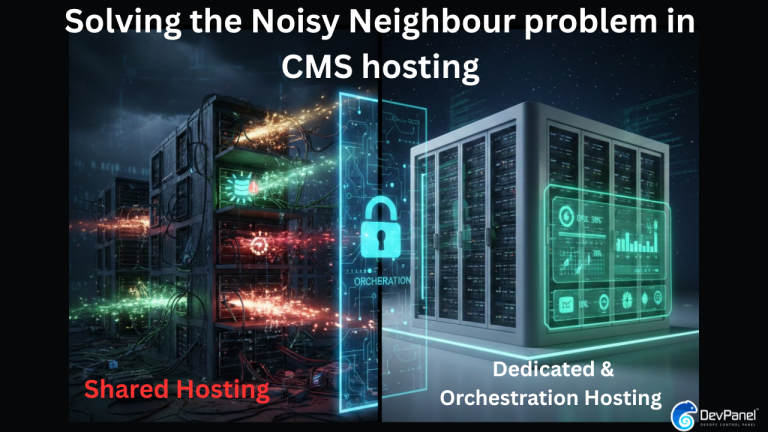
A split-screen illustration comparing shared CMS hosting with high resource contention (left) and dedicated orchestrated CMS hosting with clean, isolated performance metrics (right).

Solving the Noisy Neighbor Problem in CMS Hosting: The Ultimate Guide to Performance Isolation

The “noisy neighbor” problem represents one of the most persistent yet frequently misunderstood challenges in modern CMS hosting. For organizations running complex content management systems like Drupal and WordPress, this phenomenon can manifest as unpredictable performance degradation, inconsistent response times, and operational complexity that defies straightforward diagnosis. If you’ve ever experienced that sinking feeling where…

Cloud Development Environments: The Complete Guide For Faster, Safer, Remote‑Ready Software Teams

Only 7% of organizations can create development environments in under an hour, which means most teams still lose days before writing a single line of code on a new project or branch. Cloud Development Environments change that by giving teams on‑demand, browser‑based workspaces that are secure, consistent, and ready for collaboration from anywhere. Key Takeaways…

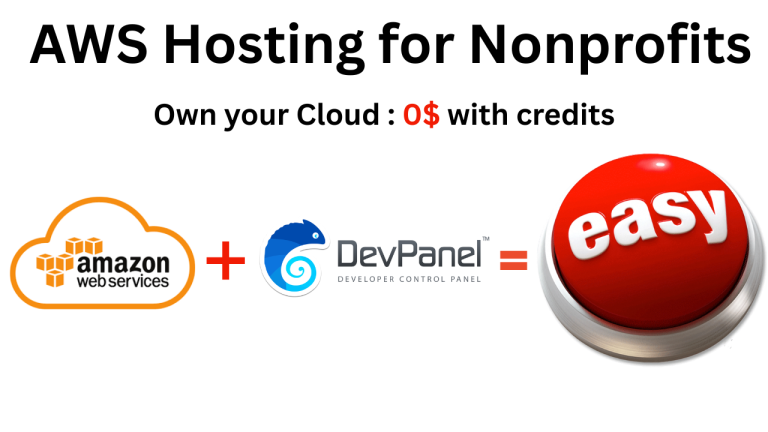
A graphic titled 'AWS Hosting for Nonprofits' with the tagline 'Own your Cloud: 0$ with credits.' It features the Amazon Web Services logo followed by a plus sign, the DevPanel logo, an equals sign, and a large red 'easy' button.

AWS Hosting for Nonprofits: The “Third Way” to Maximize Credits and Automation

Hosting a WordPress website as a nonprofit often feels like a choice between two bad options: spending thousands on “premium” managed hosting or getting lost in the technical weeds of a manual AWS setup. But there is a third way. By combining AWS Nonprofit Credits with DevPanel’s automation, organizations can achieve enterprise-grade performance and security…

A conceptual 3D visualization of data sovereignty in a server room, comparing "Shared" hosting infrastructure with complex wiring and "Dedicated" hosting infrastructure protected by a glowing digital shield and lock icons, featuring a holographic global map and GDPR compliance checklist in the background.

Data Borders and CMS Architecture: Navigating Sovereignty in the Age of Cloud Compliance

In the modern digital landscape, the question “Where is my data?” has evolved from a simple IT inquiry into a multi-million dollar boardroom concern. For organizations deploying Content Management Systems (CMS) like Drupal and WordPress, the physical location of data is no longer the only factor—the legal jurisdiction governing that data is what defines its…

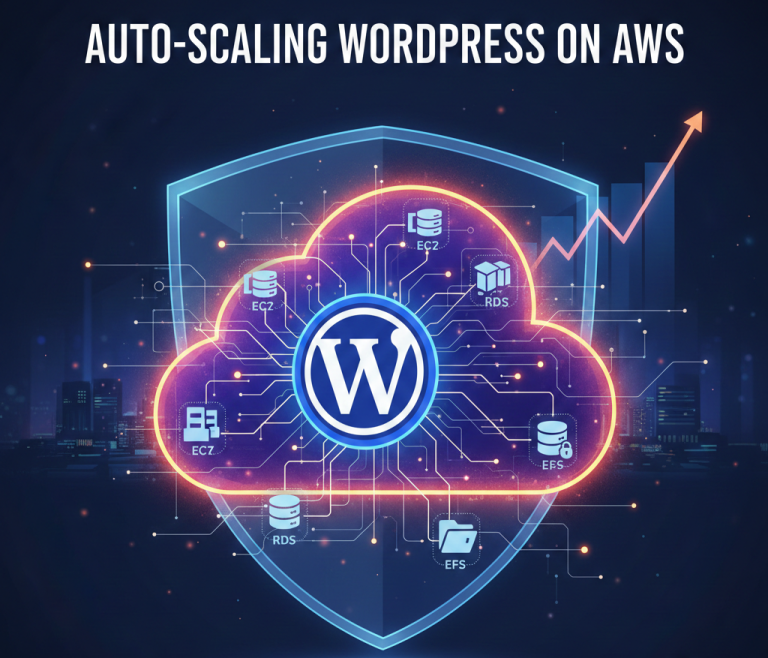
DevPanel logo next to a technical diagram of an auto-scaling WordPress architecture on AWS with cloud, database, and server icons.

Auto-Scaling WordPress on AWS: The Practical Guide To CMS Growth Without Outages

WordPress powers more than 43% of all websites, and as traffic spikes, manual server management quickly turns into a bottleneck. Auto-scaling WordPress on AWS gives growing CMS teams a way to handle surges predictably, with some sites cutting hosting costs by over 50% after migrating to autoscaled AWS infrastructure. Key Takeaways Question Answer What is…

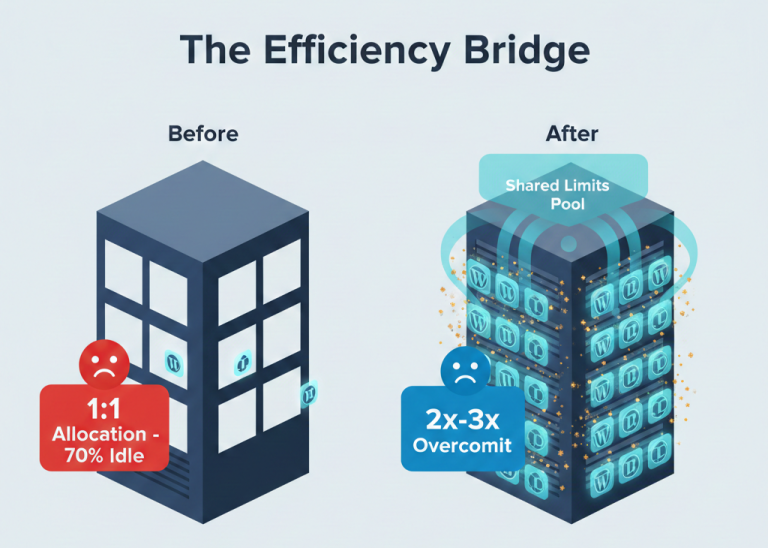
An infographic titled "The Efficiency Bridge" by DevPanel, comparing traditional 1:1 Kubernetes resource allocation to 2x-3x resource overcommit. The "Before" side shows a node with wasted space and 70% idleness , while the "After" side shows a high-density node with WordPress and Drupal sites efficiently sharing a limits pool to maximize profitability.

Kubernetes Resource Overcommit: The Ultimate Guide to Optimizing Infrastructure Efficiency and Costs

In the evolving world of cloud-native development, platform operators are constantly seeking the “holy grail” of infrastructure: the perfect balance between high performance and low cost. For many years, Kubernetes users relied on a 1:1 resource allocation strategy to ensure stability. However, this often leads to significant waste, especially for bursty applications. Kubernetes resource overcommit…