
Drupal Hosting Without Vendor Lock-In: Run Drupal on AWS, Azure, or Your Own Cloud
Choosing the best Drupal hosting provider used to be simple: pick the company that could keep your Drupal site fast, secure, and online. That still matters, but it is no longer enough.
Drupal teams need more than servers. They need Dev/Test/Live workflows, Git-based deployments, Composer, Drush, database access, logs, backups, staging environments, security controls, monitoring, and fast recovery. They also need a hosting model that does not trap their infrastructure, data, or budget inside someone else’s platform.
That is the real Drupal hosting question in 2026: do you want a vendor to host Drupal for you, or do you want to run Drupal in your own cloud with the same kind of managed workflows enterprise platforms provide?
DevPanel changes the conversation.
DevPanel gives Drupal teams a modern hosting control plane for AWS, Azure, DigitalOcean, OVH, and other cloud environments. You get the workflows teams expect from enterprise Drupal platforms — Dev, Test, Live environments; cloud development tools; CI/CD; backups; SSL; monitoring; and support — while keeping your infrastructure in your own cloud account.
In other words: Pantheon-style workflows, but your cloud, your control.
Why Drupal Hosting Is Different
Drupal is not a basic website builder. It is a powerful content management framework used for government portals, higher education sites, nonprofit platforms, media properties, membership systems, intranets, ecommerce experiences, and complex application backends.
That creates infrastructure demands.
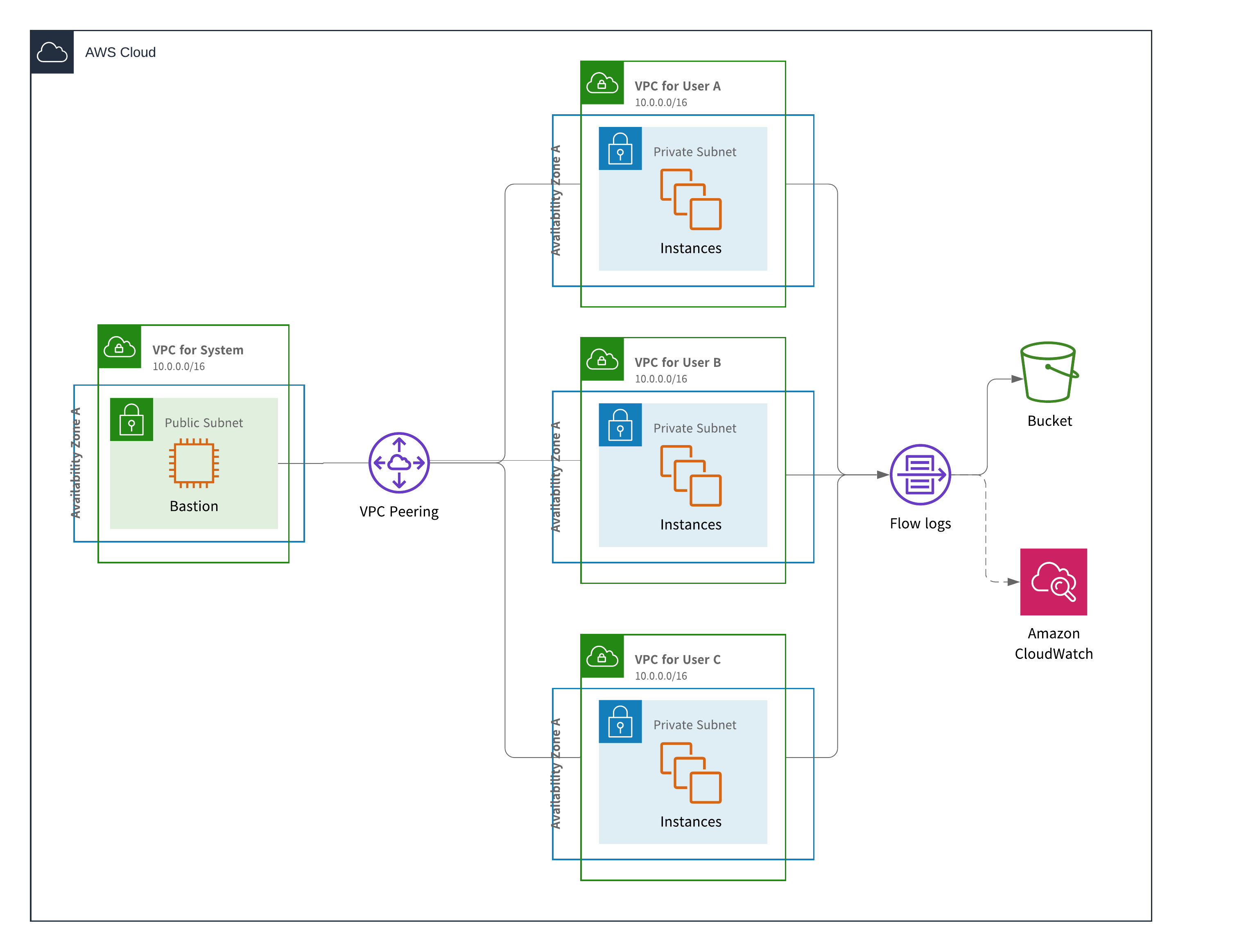
A serious Drupal site usually needs a tuned PHP runtime, a reliable database, Composer support, Drush access, caching, cron, search integrations, file storage, environment cloning, deployment workflows, and a sane way to manage configuration across environments. If your Drupal site handles high traffic, authenticated users, editorial workflows, multilingual content, large media libraries, or integrations with CRMs and APIs, hosting becomes even more important.
Generic shared hosting can work for a small brochure site. But once your Drupal site matters to the organization, “cheap hosting” becomes expensive in hidden ways. Developers wait for staging copies, updates become risky, performance issues become mysterious, and scaling turns into emergency work.
Good Drupal hosting removes that friction. Great Drupal hosting gives your team control without forcing them to become full-time DevOps engineers.
The Four Drupal Hosting Models
Most organizations comparing Drupal hosting providers end up choosing between four models.
1. Shared or VPS Hosting
This is the cheapest option. You rent server space, install Drupal, configure PHP and MySQL, and manage most of the application yourself.
This can be fine for small sites or experiments. But it usually lacks enterprise workflows such as environment cloning, Git-based deployments, automated backups, monitoring, advanced caching, or integrated security controls.
For serious Drupal projects, shared hosting often becomes a false economy.
2. Managed Drupal Platforms
Platforms like Pantheon and Acquia helped define the modern Drupal hosting category. They offer optimized infrastructure, Dev/Test/Live workflows, caching, backups, security features, and support.
For many teams, this is a big step forward from traditional hosting. Developers get better workflows, marketers get more stable releases, and IT gets a platform designed for Drupal instead of a generic server.
The tradeoff is control.
Your site runs inside the vendor’s platform. Your infrastructure choices are limited by what the platform allows. Root access may not be available. Custom services can be constrained. Costs can rise as traffic, environments, sites, or enterprise requirements grow. If your organization has a cloud-first strategy, compliance requirement, procurement preference, or existing AWS or Azure commitment, a closed hosting platform can become a strategic limitation.
3. DIY Cloud Hosting
AWS, Azure, Google Cloud, DigitalOcean, and OVH give teams massive flexibility. You can design the architecture you want with managed databases, object storage, Kubernetes, load balancers, WAFs, logging, and cloud-native security tools.
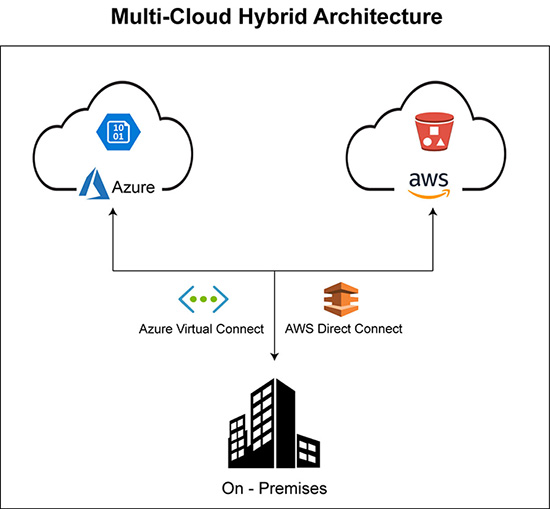
The problem is complexity.
Running Drupal well on cloud infrastructure requires knowledge of containers, networking, databases, storage, SSL, scaling, observability, backups, deployment automation, security, and cost management. A team may save money on infrastructure and then spend far more on DevOps labor.
DIY cloud gives you control, but it also gives you responsibility.
4. DevPanel: Managed Drupal Workflows in Your Own Cloud
DevPanel sits in the middle.
It gives you the simplicity of a managed Drupal platform while deploying into cloud infrastructure you control. Instead of choosing between vendor lock-in and raw cloud complexity, DevPanel gives you a third path: cloud ownership with managed workflows.
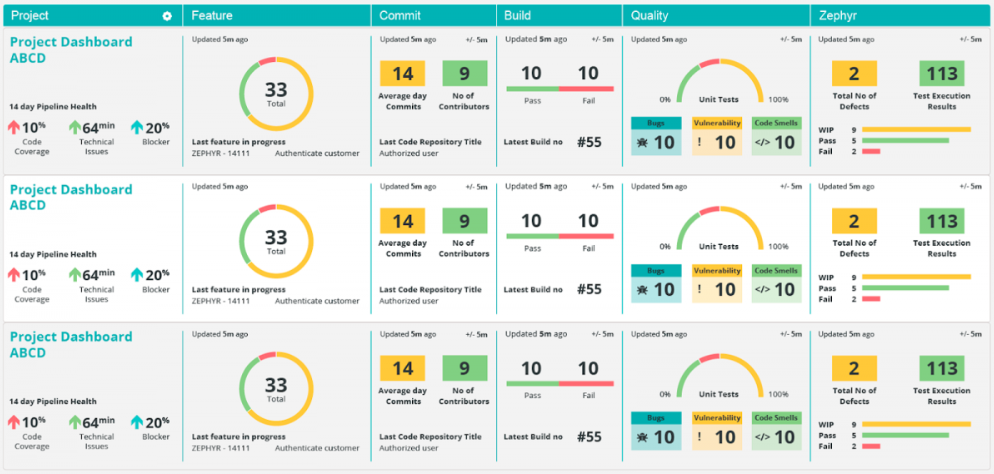
Your team gets a dashboard to create, clone, deploy, manage, and monitor Drupal environments. Developers get browser-based development tools like VS Code, Composer, Drush, database access, logs, and terminal access. Operations teams get automation for provisioning, SSL, backups, deployments, monitoring, and scaling. Executives get better cost visibility and less dependency on a single proprietary hosting provider.
DevPanel is not just another Drupal host. It is a Drupal hosting control plane for your cloud.
What to Look for in a Drupal Hosting Provider
If you are comparing Drupal hosting providers, start with control points.
A modern Drupal platform should let your team create environments on demand. Production and one staging site are no longer enough. Developers should be able to create dev, test, staging, and feature environments quickly for updates, QA, client review, and new development.
It should support real Drupal development. Drupal teams need Composer, Drush, Git workflows, database access, file access, logs, and a way to work safely outside production. A platform that hides too much may feel simple at first, but it can slow down serious development.
It should let you use your own cloud account. If your organization already uses AWS or Azure, why should Drupal live in someone else’s account? Running Drupal in your own cloud can improve cost transparency, security ownership, compliance alignment, procurement flexibility, and long-term portability.
It should scale without forcing a migration later. Drupal sites often start small and grow. A university department site can become a campus-wide platform. A nonprofit campaign can become a high-traffic public resource. A government portal can suddenly face national attention.
And it should reduce vendor lock-in. When your code, database, files, deployment workflow, monitoring, and infrastructure all depend on one proprietary platform, leaving becomes harder. The more sites you add, the harder it gets.
DevPanel was designed around these control points: self-service environments, Drupal development tools, cloud ownership, scalable architecture options, and direct control over the underlying environment.
Drupal Hosting on AWS
AWS is one of the strongest options for enterprise Drupal hosting because it offers mature managed services, broad compliance coverage, global infrastructure, and deep scalability.
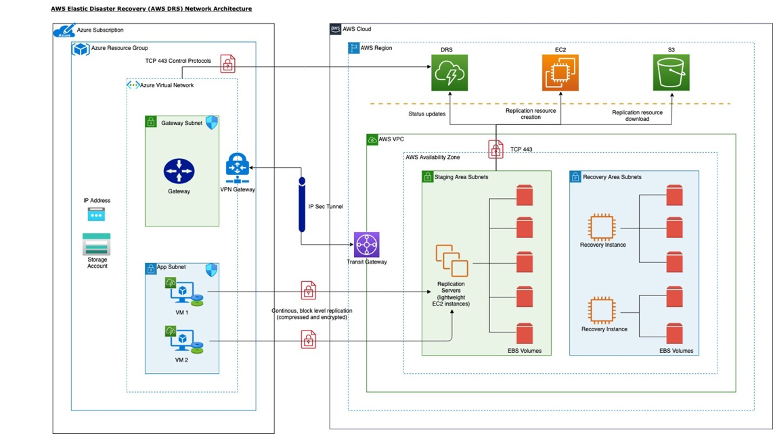
A Drupal architecture on AWS may include containers, managed databases, object storage, load balancers, CDN, WAF, monitoring, and backup services. But manually assembling that architecture can be difficult.
DevPanel helps teams use AWS without needing to become AWS experts.
The Academy of Model Aeronautics used DevPanel to migrate and manage more than 30 Drupal, Backdrop, and WordPress sites on AWS. Before DevPanel, managing that portfolio required coordination across multiple people and vendors. After DevPanel, one person could manage the sites through a unified dashboard, create dev/test/stage environments on demand, and avoid having to understand the underlying AWS complexity.
That is what many organizations actually need: the power of AWS, without the AWS learning curve.
A U.S. government news agency evaluating a move from Acquia to AWS with DevPanel projected more than 75% hosting savings, while also gaining full infrastructure access, better performance, auto-scaling, and 24/7 hands-on DevOps support. That type of result is difficult to achieve with a traditional hosted platform because the platform controls both the workflow and the infrastructure economics.
AWS is powerful. DevPanel makes it usable for Drupal teams.
Drupal Hosting on Azure
Azure is a strong choice for organizations already invested in Microsoft, Active Directory, Microsoft Defender, Azure networking, Azure databases, and enterprise compliance programs.
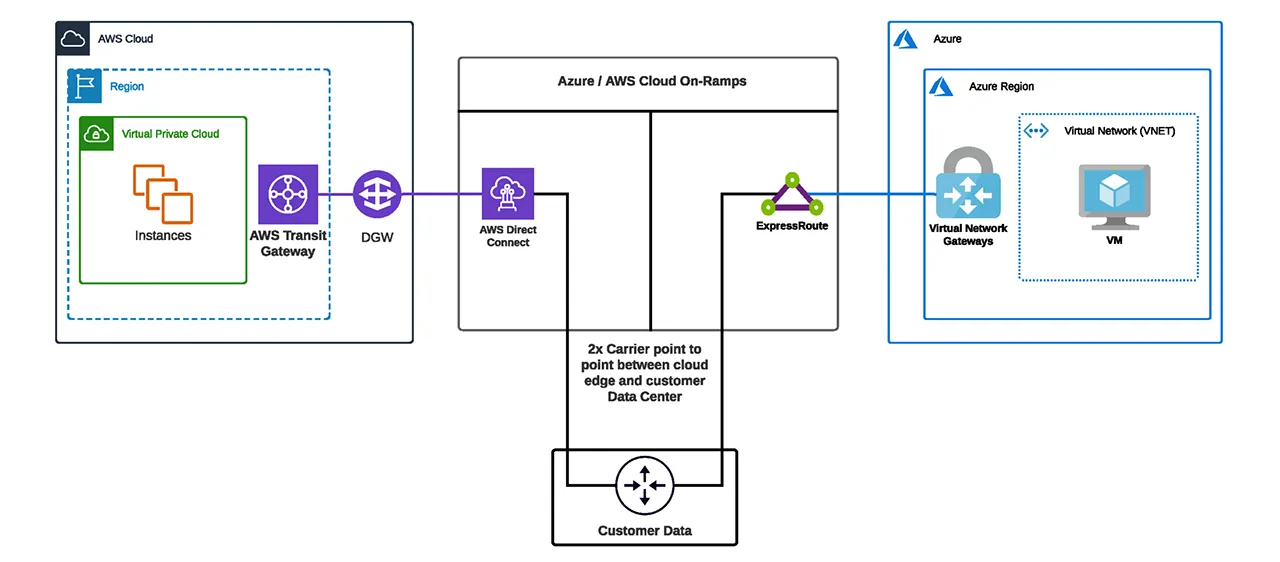
For education, healthcare, government, and enterprise teams, Azure often fits procurement and security requirements better than another vendor-controlled hosting platform.
DevPanel supports Azure-based Drupal and application environments, including multi-environment workflows, infrastructure automation, security controls, monitoring, and managed services. Kaplan Early Learning Company used DevPanel to accelerate a HIPAA-compliant Azure migration, creating development, testing, staging, and production environments while allowing the development team to focus on the application instead of cloud infrastructure.
Most Drupal teams do not want to spend weeks configuring networking, Kubernetes, databases, storage, backups, monitoring, and access controls before they can ship features. DevPanel makes Azure usable for Drupal operations.
Drupal Hosting for Agencies, Higher Ed, Government, and Nonprofits
Agencies, universities, government teams, and nonprofits often share the same problem: many sites, small teams, limited budgets, and serious requirements.
They may need accessibility compliance, security review, audit trails, backups, disaster recovery, role-based access, SSO, content workflows, and the ability to support multiple departments, programs, or clients. But they may not have a large DevOps team available to manage all of it.
This is where the “your cloud, managed workflow” model becomes especially strong.
An agency can standardize Drupal hosting workflows across client cloud environments. A university can run Drupal in its preferred cloud account. A government agency can align hosting with its security policies. A nonprofit can use available cloud credits or discounted infrastructure programs. An internal web team can manage multiple sites without waiting on a traditional hosting vendor for every environment, SSL change, or deployment task.
DevPanel lets these organizations modernize without surrendering control.
DevPanel vs Traditional Managed Drupal Hosting
| Requirement | Traditional Managed Drupal Platform | DIY Cloud | DevPanel |
|---|---|---|---|
| Drupal workflows | Yes | Manual setup | Yes |
| Dev/Test/Live environments | Yes | Manual setup | Yes |
| Cloud ownership | Limited | Yes | Yes |
| Infrastructure access | Often limited | Yes | Customer-controlled |
| Cost transparency | Limited by vendor pricing | High | High |
| DevOps complexity | Low | High | Reduced |
| Multi-cloud flexibility | Limited | Yes | Yes |
| Best fit | Teams wanting vendor-managed hosting | Teams with strong DevOps | Teams wanting managed workflows in their own cloud |
The point is not that every team should leave every managed platform. Pantheon, Acquia, and similar platforms can be excellent choices for teams that want a fully hosted vendor platform and are comfortable with the tradeoffs.
But if your organization cares about cloud ownership, cost control, custom architecture, direct access, compliance alignment, or long-term portability, DevPanel deserves serious consideration.
The Best Drupal Hosting Is Not Just Hosting
The word “hosting” is too small for what Drupal teams actually need.
Hosting is servers.
Drupal operations is the whole system around the site: development environments, deployment strategy, Composer workflows, Drush, configuration management, caching, backups, logs, security, monitoring, incident response, scaling, and governance.
A cheap host may give you a place to install Drupal. A traditional managed platform may give you convenience. A DIY cloud build may give you control.
DevPanel gives you the missing combination: control and convenience together.
That combination matters because organizations are under pressure to do more with smaller teams. Developers need speed. IT needs governance. Finance wants cost control. Security wants auditability. Marketing wants reliable launches.
A Drupal hosting platform should serve all of those needs.
When DevPanel Is the Right Choice
DevPanel is a strong fit if:
- You want to run Drupal on AWS, Azure, DigitalOcean, OVH, or your own cloud.
- You need Dev/Test/Live workflows without building them manually.
- You manage multiple Drupal sites or a portfolio of CMS applications.
- You want more control than a traditional managed Drupal host provides.
- You are comparing Pantheon, Acquia, Platform.sh, Cloudways, or DIY cloud hosting.
- You need CI/CD, backups, SSL, monitoring, logs, and developer tools in one dashboard.
- You want cloud benefits without hiring a large DevOps team.
- You are concerned about vendor lock-in or rising platform costs.
DevPanel may not be the right fit if you only need a very small brochure site and the lowest possible monthly bill. In that case, a basic shared host may be enough.
But for organizations where Drupal is mission-critical, the decision should not be based only on monthly hosting price. It should be based on control, workflow, risk, scalability, and total cost of operations.
Frequently Asked Questions
What is the best Drupal hosting provider?
The best Drupal hosting provider depends on your priorities. If you want a fully hosted proprietary platform, Pantheon or Acquia may be worth evaluating. If you want full control and have DevOps expertise, AWS or Azure can work directly. If you want managed Drupal workflows inside your own cloud, evaluate DevPanel.
Can Drupal run on AWS or Azure?
Yes. Drupal can run very well on AWS or Azure, especially when paired with managed databases, object storage, CDN, WAF, monitoring, and scalable compute. DevPanel helps automate and manage those architectures so teams do not need deep cloud expertise.
Is DevPanel a Pantheon or Acquia alternative?
Yes, for teams that want similar development and deployment workflows but do not want to give up cloud ownership. Pantheon and Acquia host sites inside their own platforms. DevPanel helps teams run Drupal in their own cloud environment.
The Bottom Line
The best Drupal hosting strategy is no longer simply choosing the most famous managed platform.
The better question is: who should own your cloud?
If you want a vendor to own the infrastructure and give you a polished Drupal workflow, a traditional managed Drupal platform may be enough.
But if you want your organization to own the cloud, control the architecture, reduce lock-in, improve cost transparency, and still give developers the workflows they need, DevPanel is the better path.
Drupal deserves serious infrastructure. Your team deserves serious workflows. Your organization deserves control.
DevPanel brings those together.
Run Drupal in your own cloud. Keep the workflows. Keep the control.