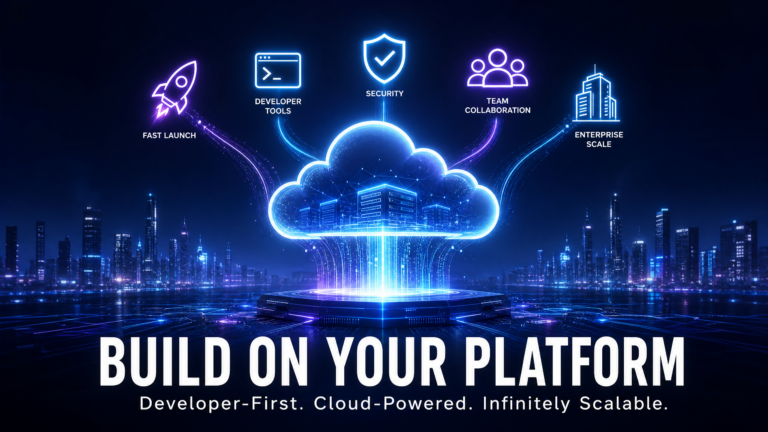
Best hosting platform shown as a cloud foundation teams can build on with automation, security, CI/CD, and scale.

The Best Hosting Platform Is the One Your Team Can Build On

Commodity hosting is no longer enough for serious web operations. In 2026, the strongest digital teams are not just looking for a place to put their website—they are looking for a platform engineering foundation. The best hosting platform is not always the cheapest platform, the most familiar platform, or the one with the most polished…

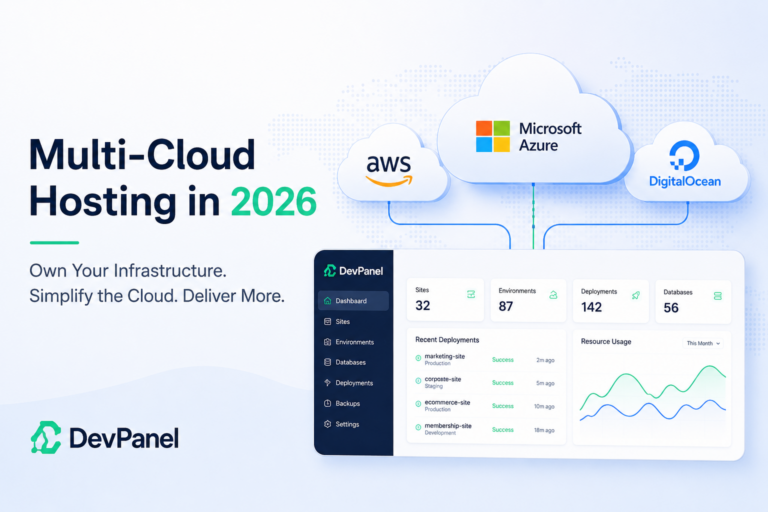
Featured image for “Multi-Cloud Hosting in 2026” showing DevPanel connecting AWS, Microsoft Azure, and DigitalOcean clouds through a unified infrastructure dashboard.

Multi-Cloud Hosting in 2026: Own Your Infrastructure Without Managing Cloud Complexity

Multi-cloud hosting is becoming a serious strategy for organizations that want more control over cost, performance, compliance, and vendor risk. For years, many website teams had only two realistic options. They could use a traditional managed hosting platform and accept its limits, or they could move directly to AWS, Azure, or DigitalOcean and take on…

WordPress on AWS Without AWS Complexity

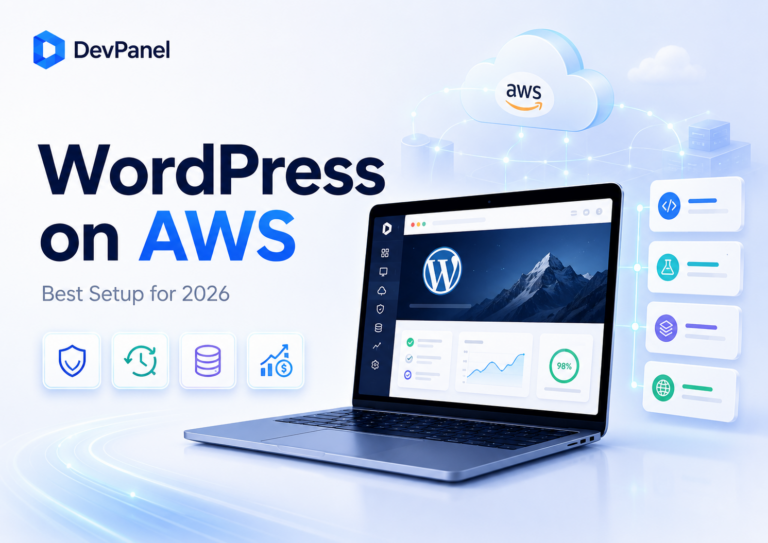
WordPress on AWS Without AWS Complexity

AWS gives organizations extraordinary control over how their WordPress websites are hosted. You can choose where your infrastructure runs, control how resources are allocated, integrate with other cloud services, build for traffic spikes, and keep your applications and data inside your own cloud account. But that control comes with a catch. AWS gives you cloud…

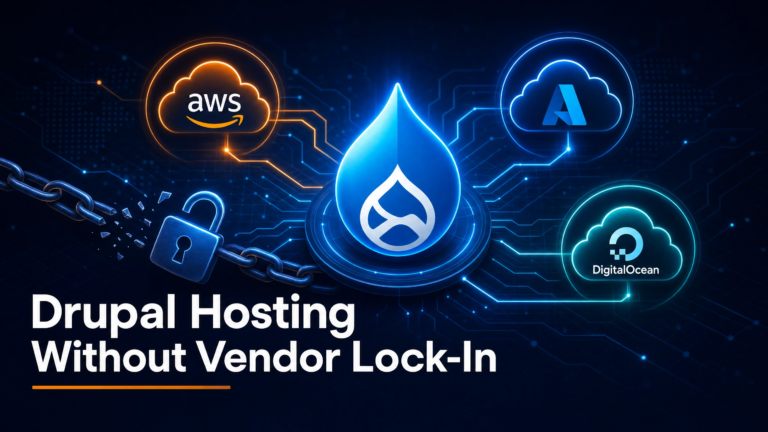
Drupal hosting without vendor lock-in — Drupal connected to AWS, Azure, and DigitalOcean clouds with a broken chain symbolizing freedom from vendor lock-in

Drupal Hosting Without Vendor Lock-In: Run Drupal on AWS, Azure, or Your Own Cloud

Choosing the best Drupal hosting provider used to be simple: pick the company that could keep your Drupal site fast, secure, and online. That still matters, but it is no longer enough. Drupal teams need more than servers. They need Dev/Test/Live workflows, Git-based deployments, Composer, Drush, database access, logs, backups, staging environments, security controls, monitoring,…

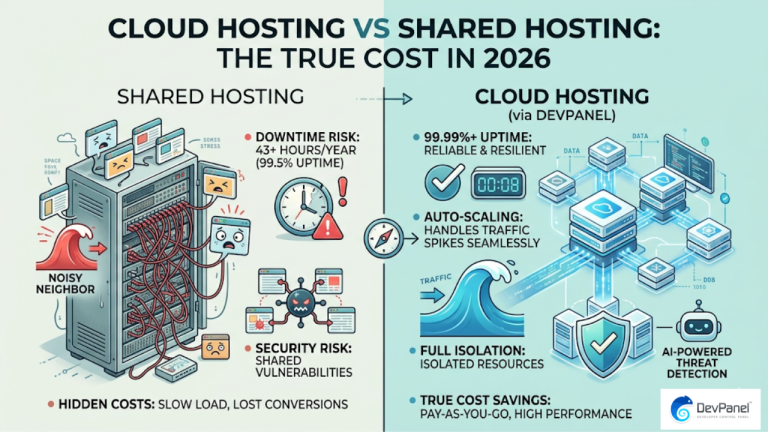
An infographic comparing 'Cloud Hosting vs Shared Hosting: The True Cost in 2026.' The left side illustrates 'Shared Hosting' using a messy server rack with 'Noisy Neighbor' traffic slowing a site, 99.5% uptime risk (43+ hours downtime), and shared security vulnerabilities. The right side shows 'Cloud Hosting (via DevPanel)' using a sleek, resilient network with 99.99%+ uptime, seamless auto-scaling for traffic spikes, full resource isolation, AI-powered threat detection, and true pay-as-you-go cost savings.

Cloud Hosting vs Shared Hosting: Which Actually Costs You More in 2026?

If you’re trying to decide between cloud hosting vs shared hosting, the answer isn’t just about the monthly invoice. Shared hosting maintains an average uptime of only 99.5%, which sounds acceptable until you do the math: that’s nearly two full days of downtime per year, an unacceptable risk for any site generating real revenue. The…

The Drupal drop logo next to the DigitalOcean logo displayed on a clean monitor screen with the text "Powering Digital Experiences" underneath.

The Definitive Guide to Hosting Drupal on DigitalOcean: 9 Deployment Strategies Analyzed

Introduction: The “Drupal on DigitalOcean” Paradox When teams decide to deploy Drupal on DigitalOcean, they are often driven by a desire for cost-efficiency and performance. DigitalOcean is famous for its developer-friendly Droplets starting at just $6/month and its robust managed databases. However, a paradox quickly emerges: the cheaper the infrastructure, the higher the operational labor…

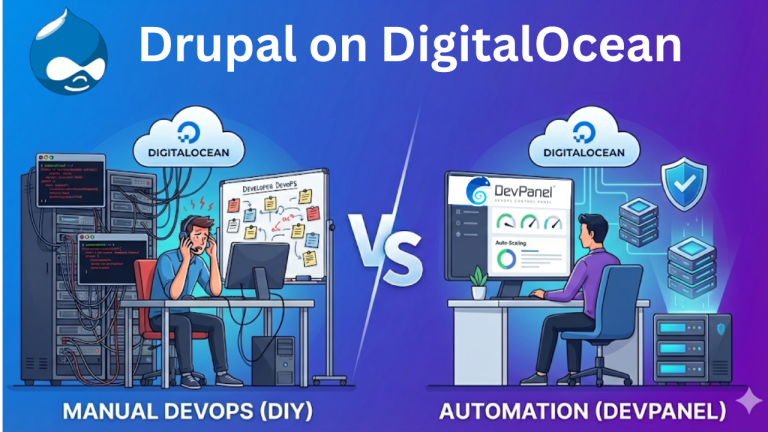
Split screen illustration comparing two hosting methods. Left side: A stressed developer dealing with tangled wires and a chaotic whiteboard labeled "Manual DevOps (DIY)". Right side: A calm developer using a clean DevPanel dashboard labeled "Automation (DevPanel)". Main text reads: "Drupal on DigitalOcean: The Hidden Cost of Manual DevOps vs. The Power of DevPanel Automation

Drupal on DigitalOcean: The Hidden Cost of Manual DevOps vs. The Power of DevPanel Automation

Introduction: The Infrastructure Paradox For organizations deploying Drupal today, the challenge is rarely about code—it is about the infrastructure that supports it. DigitalOcean has democratized access to cloud computing, offering raw power like Droplets and Kubernetes at accessible price points. However, for Drupal teams, this accessibility creates a paradox: low infrastructure costs often mask high…